



How to Make Money Flipping Pallets for Profit
What Is Flipping Pallets and Why It Is Popular
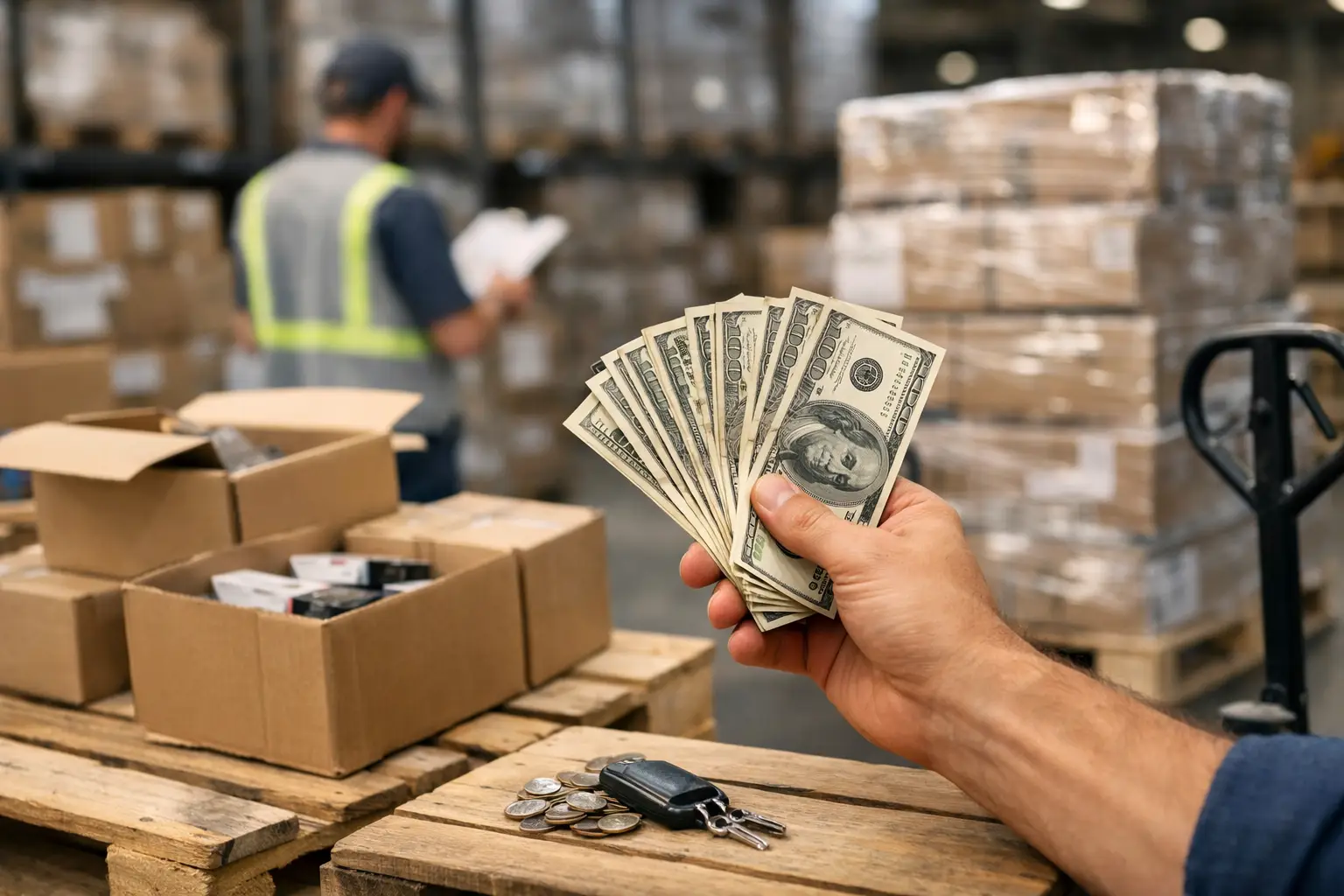
Flipping pallets has become one of the fastest-growing resale business models in recent years, and many online sellers, small store owners, and side-hustle entrepreneurs are turning to flipping pallets as a reliable way to build income. When people talk about flipping pallets, they are referring to the process of buying liquidation pallets, return pallets, overstock pallets, or wholesale pallets at a discounted price and then reselling the individual items for profit.
The reason flipping pallets continues to grow in popularity is because large retailers constantly need a way to move customer returns, shelf pulls, closeout inventory, and excess stock, and liquidation pallets give resellers access to that inventory at a lower cost than traditional wholesale buying.
Many beginners see a pallet selling for a few hundred dollars and wonder if the resale value is really there, and the honest answer is that flipping pallets can make money, but only when the buyer understands how to choose the right inventory, sell through the right channels, and move products fast enough to keep cash flowing. A pallet can either become a strong business investment or an expensive mistake, and the difference usually comes down to how smart the purchase decision is from the start.
Can You Make Money Flipping Pallets in 2026
Yes, you can absolutely make money flipping pallets in 2026, and thousands of resellers are doing it every day by selling products through online marketplaces, local stores, flea markets, discount shops, and social media listings. The business model behind flipping pallets works because retailers do not want to spend time sorting and reselling returned or overstock merchandise, so they sell the inventory in bulk to liquidation buyers.
Those buyers then break down the pallets, test the items, clean them if necessary, and resell them individually or in smaller bundles. When flipping pallets is done correctly, the reseller buys inventory at a low enough cost to leave room for profit after selling fees, shipping, and expenses. However, there is no guaranteed profit on every pallet, and that is something every beginner needs to understand before starting a pallet flipping business.
Some pallets contain high-demand items that sell quickly, while others may include damaged goods, slow-moving products, or items with low resale value. Flipping pallets is not about luck, and it is not about guessing. It is about learning how to evaluate inventory and buying only when the numbers make sense.
What Makes Flipping Pallets Profitable
The most important factor in flipping pallets successfully is the quality of the purchase. Many beginners believe that the cheapest pallet is the best deal, but experienced resellers know that a low price does not always mean high profit. If the pallet contains too many damaged items, incomplete products, or goods with very low demand, the upfront savings will not matter because the resale value will not be there. The second factor that affects flipping pallets profit is product category.
Some categories are much easier to resell than others, and beginners usually do better with general merchandise that has wide demand. Items like tools, household goods, toys, beauty products, clothing, kitchen items, and small electronics often perform better than highly specialized products that only a few buyers want.
Another important factor in flipping pallets is the selling method. A reseller who has an online store, marketplace experience, and repeat customers can usually make more profit from the same pallet than someone selling only a few items occasionally. Your selling system is just as important as the inventory you buy. Shipping costs, storage space, and handling time also affect the real profit when flipping pallets, and many beginners do not think about these costs until after the pallet arrives.
The Biggest Mistake People Make When Flipping Pallets
One of the most common mistakes in flipping pallets is overestimating resale value and underestimating the work involved. New buyers often look at a manifest or product category and assume every item will sell at the highest price, but in reality some products may need cleaning, testing, repairs, or repackaging before they can be sold.
Some items may be missing parts, some may sell only at a discount, and some may not sell at all. This does not mean flipping pallets is a bad business, but it does mean that smart buyers always leave room for loss when calculating profit. A good rule for flipping pallets is to assume that not every item will be perfect and not every item will sell quickly.
If the pallet only makes money when everything goes perfectly, then the deal is too risky. Successful resellers calculate profit using conservative numbers, not best-case scenarios. They expect a percentage of items to be unsellable, another percentage to be low margin, and only part of the pallet to bring strong returns. When the numbers still work under those conditions, the pallet is usually a safer investment.
Different Ways People Make Money Flipping Pallets
There are several ways to make money flipping pallets, and the best method depends on how much time, space, and experience the reseller has. Some people buy pallets and sell every item individually online, which usually gives the highest return but also requires the most work.
Listing items, taking photos, packing orders, and handling customers takes time, but the profit per item can be higher. Other resellers prefer to split pallets into smaller lots and sell locally, which allows them to move inventory faster even if the per-item profit is lower.
Many discount store owners use flipping pallets as a way to keep shelves stocked with low-cost merchandise, making profit through fast turnover instead of high markup. A very common strategy in flipping pallets is the hybrid method, where the reseller sells the best items individually, bundles mid-value products together, and clears out the rest quickly to free up storage space. This approach helps keep cash moving and prevents inventory from sitting too long.
What to Check Before Buying a Pallet
Before starting flipping pallets, buyers should always look at inventory from a business point of view instead of a bargain-hunter point of view. The most important questions to ask are whether the items have real demand, whether the brands are recognizable, whether the category fits the places where you plan to sell, and whether the condition level matches your experience. Return pallets may have higher profit potential, but they also require more work because items may need testing or repair. Manifested pallets can help estimate value, but a manifest is not a guarantee of profit.
It is only a guide, and real profit depends on how fast the items sell and how much buyers are willing to pay. Reliable suppliers also matter when flipping pallets, because accurate descriptions, clear ordering terms, and consistent shipping help resellers avoid costly surprises. Many experienced pallet buyers prefer working with trusted liquidation sources instead of constantly chasing the lowest price, because consistency often leads to better long-term profit. Amazon , Walmart
How Much Money You Can Make Flipping Pallets
The amount of money you can make flipping pallets depends on the cost of the pallet, the type of inventory, the selling method, and how fast the items sell. A beginner working part-time may make a few hundred dollars profit from a good pallet, while an experienced reseller with multiple selling channels may make much more from the same inventory. The key to long-term success in flipping pallets is not the biggest single profit, but consistency.
One good pallet does not build a business, but repeatable buying and steady sales can create a reliable income. When evaluating flipping pallets, it is important to think about both margin and speed. A pallet that sells quickly with moderate profit may be better than one with higher profit that takes months to sell. Cash flow, storage space, and time all affect the real results.
Is Flipping Pallets Worth It for Beginners
Flipping pallets can be a very good opportunity for beginners if they start small and choose inventory carefully. One reason many people try flipping pallets is because it does not require manufacturing products or signing large wholesale contracts. A reseller can buy one pallet, learn from the experience, and then decide whether to continue.
The trade-off is that liquidation inventory always has some uncertainty, and buyers must be comfortable with variation in condition, assortment, and resale speed. Beginners usually do best when they focus on categories they understand, buy inventory that is easy to inspect, and keep track of every expense including fees, shipping supplies, and storage costs. Treating flipping pallets like a real business from the beginning makes it much easier to see which pallets are profitable and which are not.
The Real Truth About Flipping Pallets
The real answer to whether flipping pallets can make money is yes, but the profit does not come from the pallet alone. Profit comes from buying carefully, selling efficiently, and choosing inventory that matches your market. A good pallet gives opportunity, but a smart reseller turns that opportunity into income by staying disciplined, tracking numbers, and reinvesting wisely. When flipping pallets is done with patience, realistic expectations, and consistent buying strategy, it can grow from a small side hustle into a steady resale business that produces long-term revenue.