



Liquidation Pallets
Is Buying Liquidation Pallets Profitable? A Complete Guide
liquidation pallets : In the world of entrepreneurship and e-commerce, the question often arises: is buying liquidation pallets a profitable endeavor? This article examines this aspect of the business world, exploring the potential advantages and pitfalls involved. By delving into the world of liquidation sales, analyzing profit margins, and highlighting key factors to consider, we aim to provide you with valuable insights into whether buying liquidation pallets can be a lucrative venture worth pursuing.
Understanding Liquidation Pallets
What Are Liquidation Pallets?
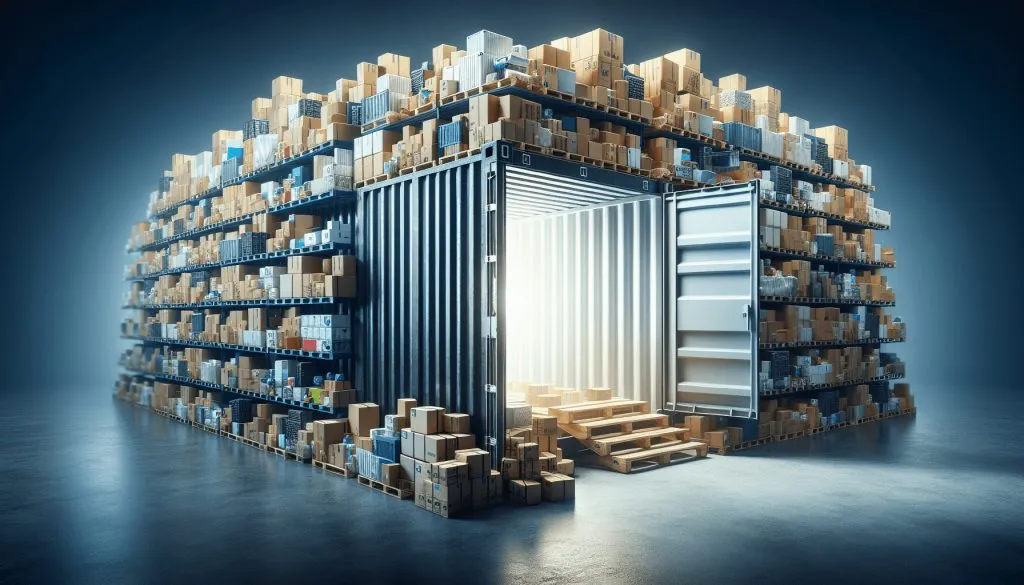
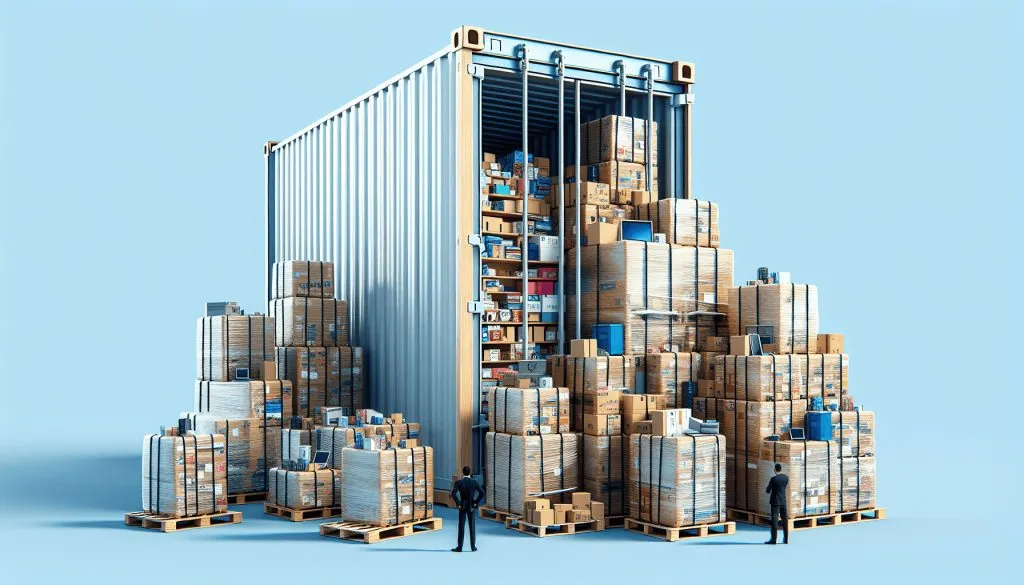
Liquidation pallets are groups or bundles of products that are sold by retailers or manufacturers at significantly discounted prices. These products typically come from overstocked inventory, customer returns, closeouts, or other sources where retailers need to quickly sell off their excess goods. Liquidation pallets offer buyers the opportunity to purchase a wide range of products at reduced prices.
How Do They Work?
When retailers have excess inventory or imperfect items that they cannot sell at regular prices, they may turn to liquidation companies or online marketplaces that specialize in selling these products at a discount. Liquidation pallets are created by grouping these discounted items together to create a more efficient and cost-effective way of selling them. Buyers can then purchase these pallets, usually in large quantities, at a fraction of the retail value. liquidation pallets
Reasons for Liquidation
Liquidation occurs for various reasons. Retailers may need to clear out space for new merchandise, release cash flow for other investments, or simply liquidate slow-moving products. Liquidation can also happen when a business closes down or goes bankrupt. Regardless of the reason, liquidation pallets provide an avenue for both retailers and buyers to benefit from the sale of these discounted products.
Factors to Consider
Product Condition
Liquidation Pallets One of the critical factors to consider when purchasing liquidation pallets is the condition of the products. While sellers generally disclose the condition, it’s essential to understand that products in liquidation pallets might range from brand new to slightly used or even damaged. Thoroughly evaluating the product descriptions and condition details will help manage expectations and ensure the perceived value of the pallet aligns with the actual condition of the goods.
Source and Reputation of the Supplier
Choosing a reliable and reputable supplier is crucial when buying liquidation pallets. Researching and vetting suppliers helps ensure that the products offered are genuine and that the supplier has a track record of delivering as promised. Opting for established suppliers with positive customer feedback can minimize the risks associated with fraudulent or low-quality pallets.
Market Demand for the Products
Understanding market demand is vital for maximizing profitability when dealing with liquidation pallets. Researching popular product categories and trends can help determine whether there is a demand for the goods being purchased. Additionally, analyzing competition and pricing trends within the resale market can guide decision-making and optimize pricing strategies. Liquidation Pallets
Potential Costs and Expenses
Liquidation Pallets : While purchasing liquidation pallets can offer significant cost savings, it’s essential to consider any additional expenses that may arise. Factors such as shipping and logistics costs, storage and warehouse expenses, and potential repair or refurbishment expenses should be carefully calculated to ensure the overall profitability of the investment.
Benefits of Buying Liquidation Pallets
Cost Savings
One of the primary benefits of buying liquidation pallets is the cost savings it offers. Purchasing products through liquidation channels can result in substantial discounts compared to buying the same items at retail prices. This can be especially advantageous for businesses looking to expand their product offerings or individuals who are in need of everyday essentials at a lower cost.
Variety of Products
Liquidation pallets often contain a wide variety of products, providing buyers with the opportunity to diversify their offerings or cater to specific customer demands. Whether a buyer is interested in consumer electronics, clothing, furniture, or even food products, liquidation pallets can offer a range of options to choose from. Liquidation Pallets
Opportunity for Resale and Profit
Liquidation Pallets Many buyers purchase liquidation pallets with the intention of reselling the products for a profit. By acquiring goods at discounted prices and reselling them through various channels, such as online marketplaces or brick-and-mortar stores, buyers can potentially generate substantial profits. However, it’s important to consider factors such as market demand and competition when determining the resale value.
Sustainability and Eco-Friendliness
Buying Liquidation Pallets can also contribute to sustainability and promote eco-friendliness. By purchasing products that would otherwise be discarded or disposed of, buyers can help reduce waste and extend the lifecycle of these items. This not only benefits the environment but also supports a more sustainable approach to consumerism.
Challenges and Risks
Unpredictable Product Quality
One of the inherent risks associated with buying liquidation pallets is the unpredictable product quality. While sellers may provide descriptions and condition details, there is still a degree of uncertainty involved in the actual quality of the products. It’s important to be prepared for receiving items that may require further inspection, cleaning, or repair before they can be resold.
Limited Return Policies
Compared to buying products directly from retailers, liquidation pallets often have limited return policies, if any. This means that buyers may not have the option to return or exchange items that turn out to be unsellable or not as described. It’s crucial to carefully assess the condition and value of the products before making a purchasing decision.
Competition in the Resale Market
As the popularity of liquidation pallets increases, so does the competition within the resale market. Buyers need to be aware that there are others who are also purchasing similar pallets and reselling the products. This can impact pricing and profit margins, making it necessary to develop effective marketing strategies and stand out from the competition.
Effort Required for Sorting and Processing
Buying Liquidation Pallets requires effort in terms of sorting and processing the products. This may involve inspecting, cleaning, repairing, or repackaging items before they can be resold. The time and resources required for these tasks should be taken into consideration to ensure a realistic assessment of the overall effort involved.
Finding Reliable Suppliers
Researching and Vetting Suppliers
To find reliable suppliers, thorough research and vetting are essential. This can involve searching online marketplaces and directories, reading reviews and ratings, and reaching out to other buyers who have experience with a particular supplier. Gathering as much information as possible about the supplier’s reputation, history, and customer satisfaction can help ensure a successful partnership.
Checking Customer Reviews and Ratings
Customer reviews and ratings are valuable sources of feedback when assessing suppliers. Platforms such as online marketplaces often provide a space for buyers to leave reviews and rate their experience with a specific supplier. Paying attention to these reviews, both positive and negative, can provide insights into the supplier’s reliability, communication, and overall customer satisfaction.
Attending Liquidation Auctions and Sales
Attending liquidation auctions and sales events can be an effective way to connect with suppliers and evaluate their offerings firsthand. These events allow buyers to see and inspect the products directly, ask questions, and possibly negotiate better deals. Building relationships with suppliers through these interactions can lead to more reliable and mutually beneficial partnerships.
Building Relationships with Suppliers
Establishing strong relationships with reliable suppliers is crucial in the liquidation industry. By nurturing these relationships, buyers can gain access to exclusive offers, receive personalized customer service, and potentially secure better pricing. Consistent communication, trust, and mutual respect are key elements in building and maintaining successful partnerships.
Analyzing Market Demand
Identifying Popular Categories and Trends
To analyze market demand effectively, it’s important to identify popular product categories and trends. This can be done through market research, observing consumer behavior, and following industry news and reports. By understanding what products are in high demand, buyers can make informed decisions when purchasing liquidation pallets.
Assessing Competition and Pricing
Analyzing the competition within the resale market is essential for setting competitive pricing and maximizing profit margins. Researching other sellers in the same product category and monitoring their pricing strategies can help determine the right pricing range for the products acquired through liquidation. Balancing competitive pricing with profitability is key to long-term success.
Evaluating Potential Profitability
Assessing the potential profitability of liquidation pallets involves considering various factors, such as the purchase price, estimated resale value, associated costs, and market demand. By calculating potential profit margins and conducting thorough feasibility analyses, buyers can make informed decisions and focus on acquiring pallets that offer the most attractive profit opportunities.
Monitoring Market Fluctuations
Market fluctuations can significantly impact the profitability of liquidation pallets. Factors such as changes in consumer preferences, economic conditions, or seasonal demand can influence the resale value and desirability of certain products. Regularly monitoring market trends and staying updated with industry news and forecasts can help buyers adapt their strategies accordingly.
Managing Costs and Expenses
Understanding Wholesale Pricing
To effectively manage costs, buyers need to have a solid understanding of wholesale pricing. This involves researching market rates for similar products, negotiating with suppliers, and exploring opportunities for bulk discounts. By securing favorable wholesale pricing, buyers can minimize their initial investment and increase their potential profits.
Factoring in Shipping and Logistics
Shipping and logistics costs can significantly affect the overall expenses associated with purchasing liquidation pallets. Buyers should consider the weight, dimensions, and shipping destination of the pallets when estimating these expenses. Exploring different shipping options, comparing rates, and optimizing packaging can help reduce costs and improve profit margins.
Estimating Storage and Warehouse Costs
Buyers who plan to store and manage inventory from Liquidation Pallets need to factor in storage and warehouse costs. This can include rent, utilities, insurance, and any necessary equipment or staff. Carefully evaluating the space requirements and associated expenses will help determine if self-storage, fulfillment services, or other solutions are more cost-effective.
Calculating Potential Repair or Refurbishment Expenses
Liquidation Pallets may contain products that require repair or refurbishment before they can be resold. Buyers should consider the potential costs involved in repairing or refurbishing damaged or imperfect items. This may include labor costs, replacement parts, or professional services. Accurately calculating these expenses allows for a realistic assessment of profitability.
Optimizing Resale Strategy
Choosing the Right Sales Channels
When it comes to reselling products from liquidation pallets, choosing the right sales channels can greatly impact success. Depending on the products and target market, options may include online FACEBOOK marketplaces, brick-and-mortar retail, e-commerce platforms, or even wholesale distribution. Tailoring the sales strategy to the target audience and market trends will increase the chances of reaching interested buyers.
Implementing Effective Marketing and Branding
Marketing and branding play a crucial role in the success of the resale business. Creating compelling product descriptions, engaging imagery, and optimizing listings can attract potential buyers. Building a strong brand identity through consistent messaging and exceptional customer service helps establish trust and loyalty among customers.
Pricing Strategies for Maximum Profit
Setting the right prices is essential in maximizing profit. Buyers should consider factors such as the original purchase price, market demand, competition, and the perceived value of the products. Employing pricing strategies such as bundling, BOGO (buy one, get one), or limited-time offers can help create a sense of urgency and increase sales.
Building a Customer Base and Loyalty
Building a loyal customer base is crucial for long-term success in the resale market. Providing exceptional customer service, offering value-added services, and cultivating positive relationships can result in repeat business and word-of-mouth referrals. Utilizing customer relationship management (CRM) tools and engaging with customers through various channels can help build brand loyalty.
Conclusion
In conclusion, buying liquidation pallets can be a profitable endeavor for those who approach it strategically and understand the risks and opportunities involved. Thoroughly researching suppliers, analyzing market demand, managing costs, and optimizing the resale strategy are key factors in achieving success. With careful planning and diligent execution, buyers can unlock the benefits of buying liquidation pallets and maximize their profits.